Observations from ordinary events

Why Fixing a Problem Sometimes Makes It Worse

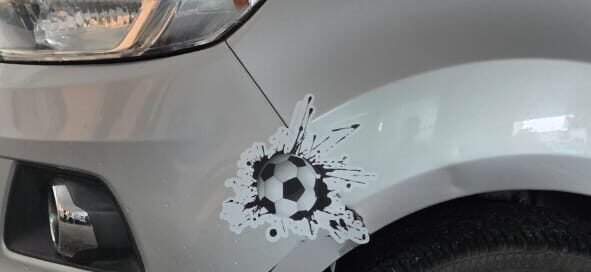
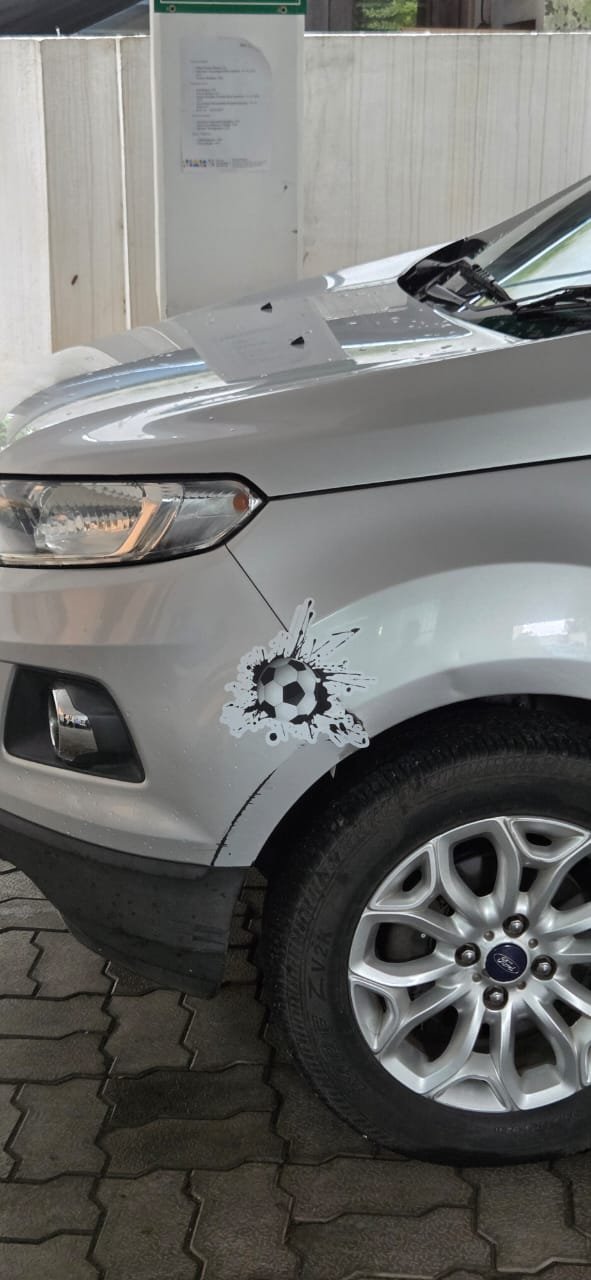
I made a small dent in my car bumper last year. It was not big enough to warrant a fix. It was cosmetic.

But it was bothering me. Maybe it was a dent on my pride.

Months later, I covered it with a sticker.

That’s when people started noticing.

“Oh, there’s a dent? I never saw it before.”

How often does the fix highlight the issue more than the issue ever did?
By |2026-03-21T11:45:31+00:0031/01/2026|Accidental Philosophy|0 Comments

Why progress looks easier in hindsight

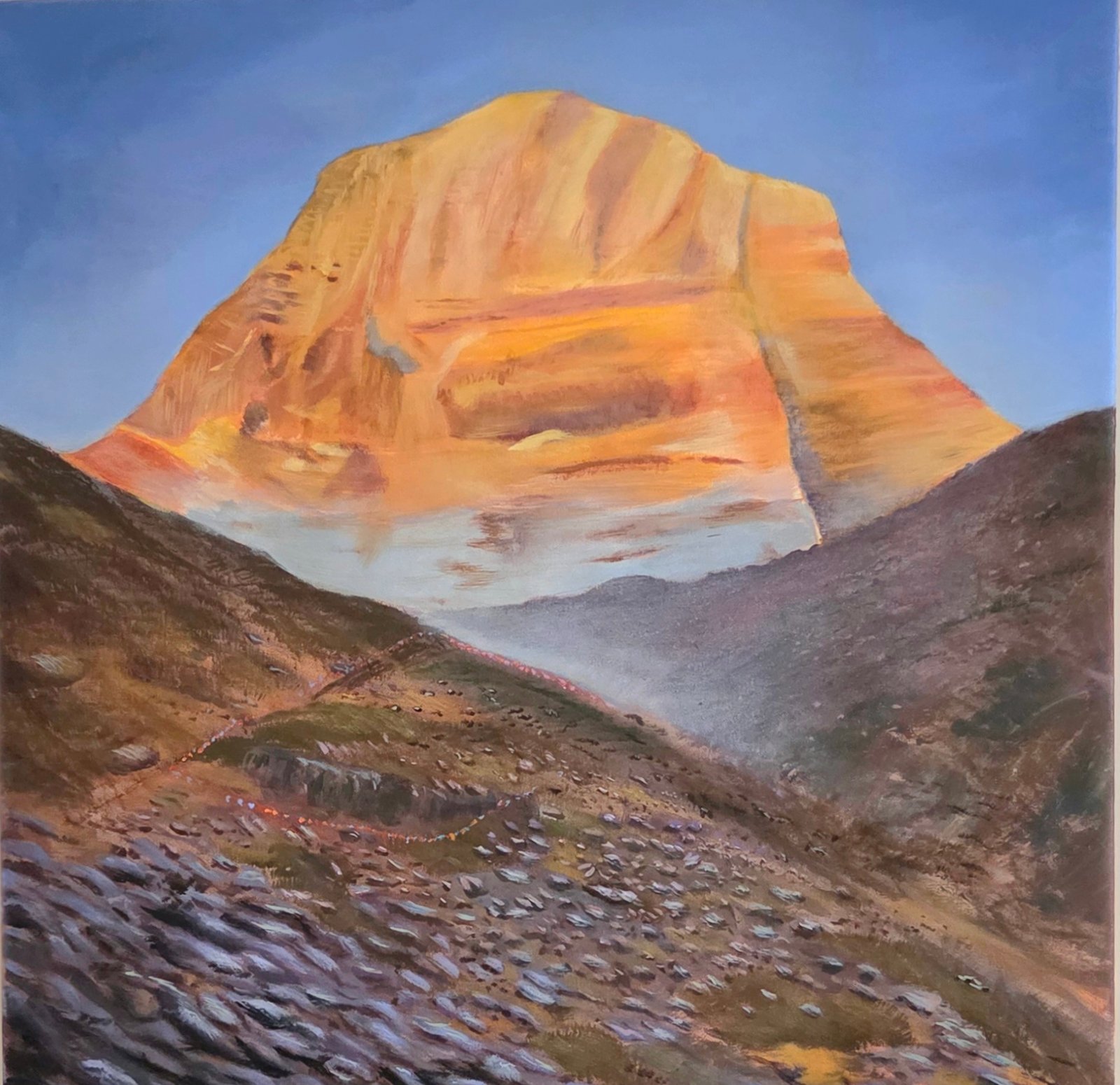
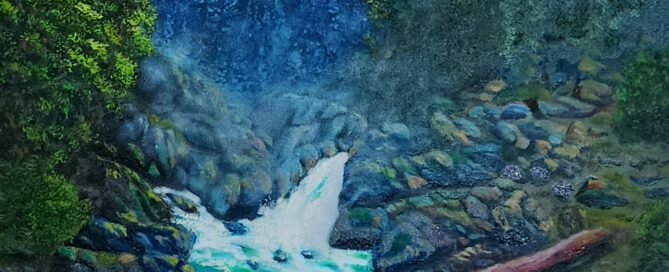
Progress looks easier in hindsight than it ever felt while it was happening. Watching a time-lapse of a painting I worked on over two weekends, it looked smooth, almost deliberate. It did not feel like that at all.

This phenomenon often leads us to wonder

why progress looks easier in hindsight

There were pauses and second guesses. Moments where I changed things that had taken time, and others where I stepped back because I was not sure what to do next. Feedback and suggestions along the way also helped shape the final outcome.

The progress itself was anything but smooth.

Watching it back, I realised how a time-lapse hides the effort, the apprehensions, and the second-guessing that actually make progress possible.

Life and at times, work, feels much the same way.

Some of what we do comes from experience, but a lot of it comes from intent, common sense, instinct, and hope. Doubts and course corrections are part of the everyday routine.

What we do have is motion. We try things, adjust, sometimes undo decisions we were confident about not long ago, and then move forward again.

Most days, it does not feel like progress. It just feels like grind.

Maybe that is the part the time-lapse hides.

And maybe, like the painting, we are doing better than it feels in the moment.

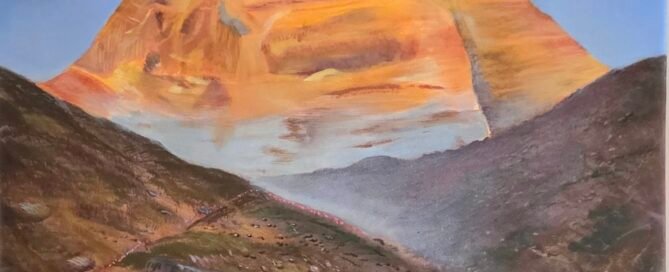
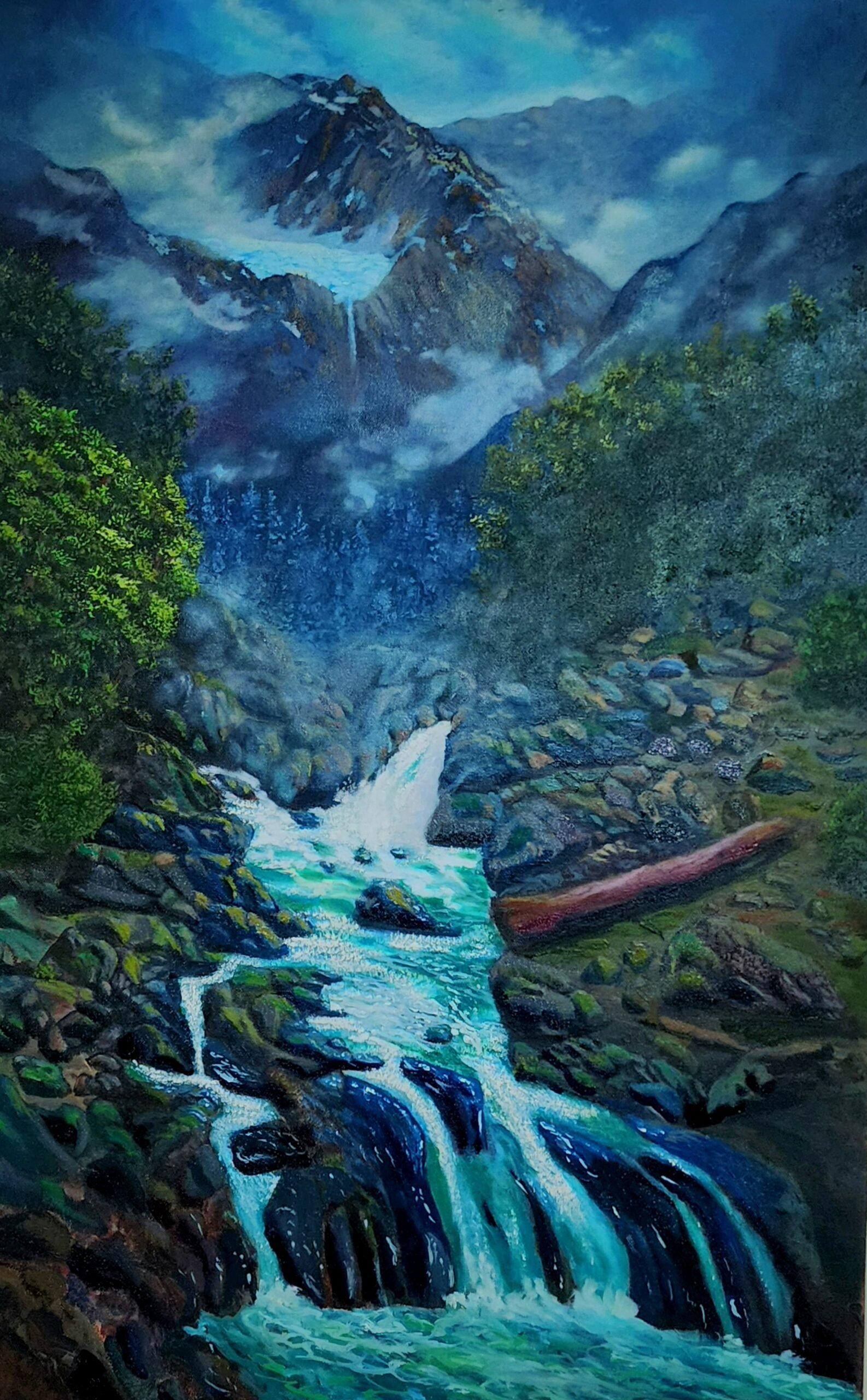
Majestic mountain landscape with colorful sunset sky and rugged terrain.

By |2026-05-24T06:12:11+00:0016/01/2026|While the paint was drying|4 Comments

Pale Blue Dot of Organizations

This post reflects on the Pale Blue Dot image and how the the most important thing in the frame is the one you almost miss.

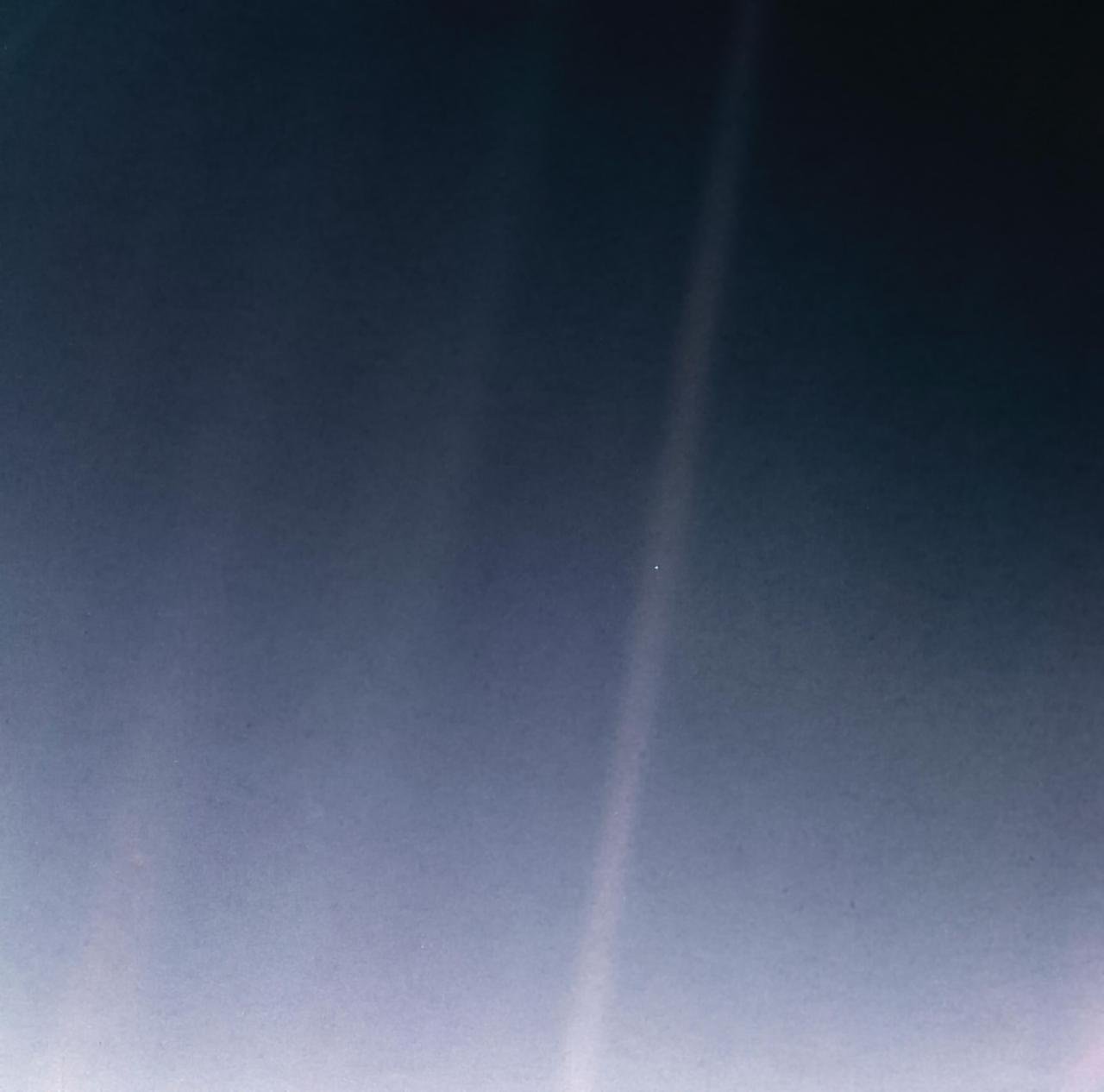
A strange stillness emerges when you look at the Pale Blue Dot long enough.

At first, you see almost nothing. A vast black canvas, streaks of light, cosmic silence. Then someone tells you where to look. A tiny speck, barely there. And suddenly your chest tightens a little, because that speck is home. That Pale Blue Dot is earth.

As Carl Sagan would say,

“That’s here. That’s home. That’s us. On it everyone you love, everyone you know, everyone you ever heard of, every human being who ever was, lived out their lives… on a mote of dust suspended in a sunbeam.”

Carl Sagan saw the Pale Blue Dot as a humbling reminder of our smallness. He was right. But there is another truth hiding in that image, one that feels equally important.

From the universe’s point of view, it is insignificant. From ours, it is everything.

The universe may barely notice Earth, but life does not exist anywhere else we know. Remove that dot and the solar system would continue to spin, but without life, without memory, without meaning.

The system may survive, but it becomes empty, losing its soul.

Organisations often celebrate the big things. Bold ideas, high-impact visual drama, and breakthrough campaigns. Moments of inspiration that feel electric. These are the stars of our universe, loud, radiant, impossible to ignore.

But beneath all of this sits something much smaller and much quieter, just as significant and sometimes more important than we know.

Processes, discipline, and operational rhythm.

Yet, in this photo taken by Voyager 1, from the edge of the solar system, Earth is barely seen. It is but a tiny speck of dust.

Processes play that role inside organisations. They stabilise growth. They protect people. They make creativity sustainable instead of accidental.

The irony is simple and easy to overlook.

We call these things boring because they work silently.
We notice them only when they are gone.

And sometimes, the most important thing in the frame is the one you almost miss.

Pale Blue Dot, the iconic photo of earth taken by voyager 1

By |2026-03-01T01:11:18+00:0013/12/2025|Technology Evolution|4 Comments

Why boring consistency is the secret to lasting progress

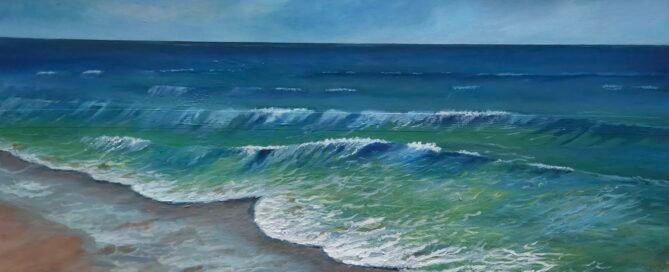
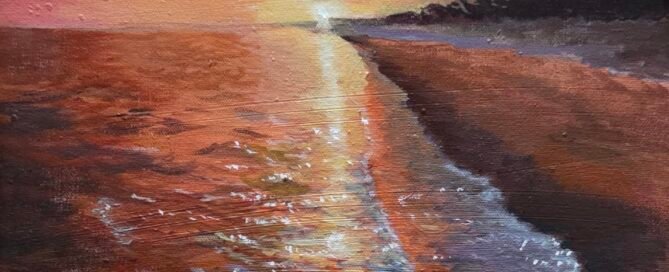
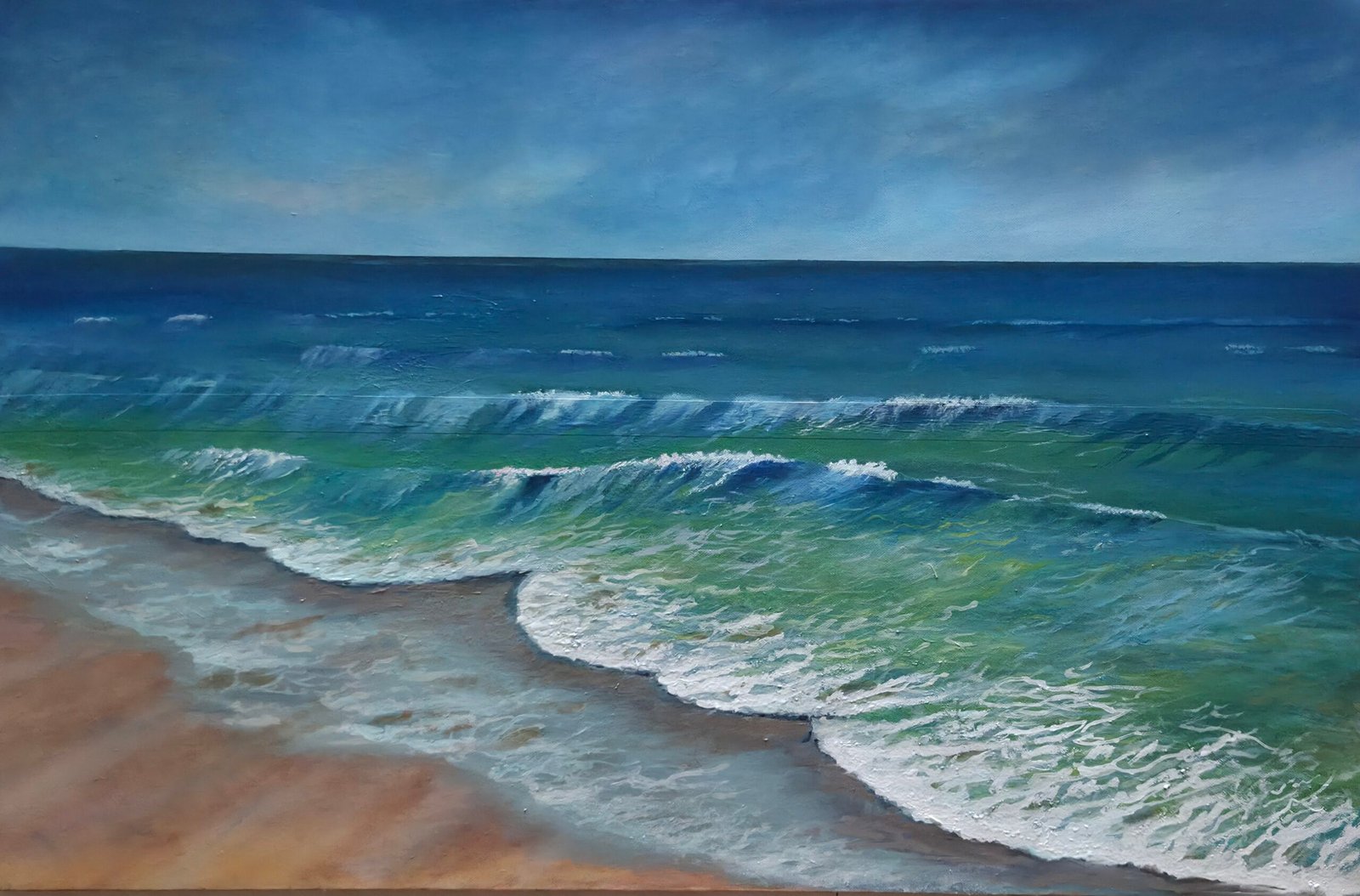
Boring consistency is the secret behind every lasting achievement. Coastlines are not shaped by storms but by waves that show up day after day, same rhythm, same beat.

If there is one lesson I have learned watching the crashing waves, it is their relentless boring consistency.

The waves just show up, day after day, same rhythm, same beat.
Beautiful coastlines are shaped not with intensity but with this quiet, boring consistency.

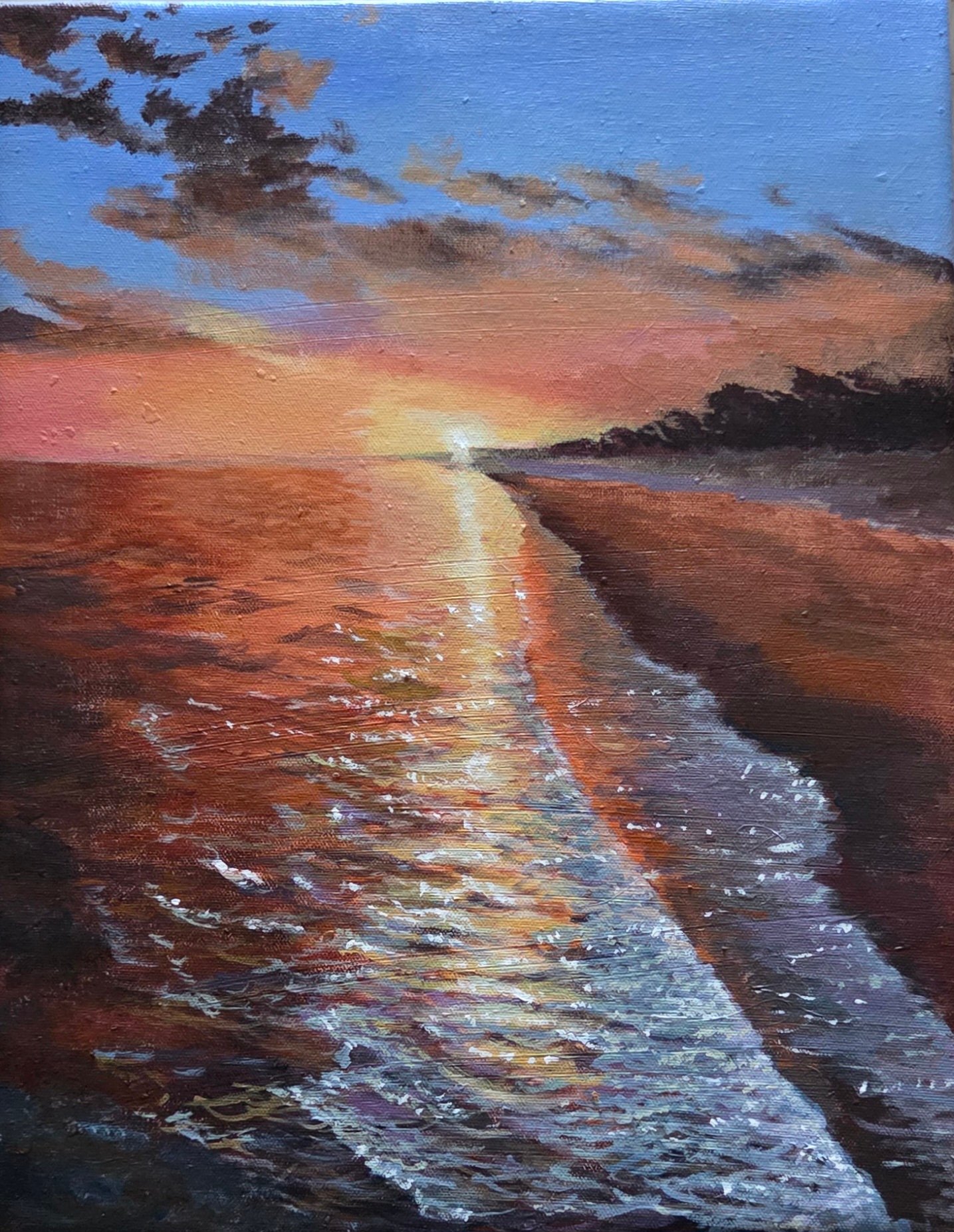
Painting a seascape is no different.

Layering the paints, one coat after another with patience and purpose.
There is a calming rhythm to it.

Marketing in a B2B world works pretty much the same way.
Brands are not built by one big campaign or a flashy video.

They grow because some marketeer quietly keeps the rhythm going.
It applies to people too.

The ones who make real impact are not sprinting, they are pacing.
Meeting after meeting, task after task, showing up with small improvements that compound.

In the end, success is rarely dramatic.
It is a result of boringly beautiful repetitions

By |2026-05-24T06:00:32+00:0001/12/2025|While the paint was drying|0 Comments

Why a painting is never finished

A painting is never finished. Every artist knows this.

You step back, decide it is done, and then notice one more thing that needs fixing. The same is true of most things worth making.

We recently had one of those rare and unlikely conversations about business growth at our company. The topics wandered into uncomfortable yet necessary zones like process improvements, utilization, and a few other metrics we had long chosen to politely ignore.

Two mantras stood tall through that storm of spreadsheets.

“We are creative problem solvers, not just problem solvers,” said the Chairman

“We will continue to deliver creativity at the speed of light,” reiterated the CEO, for perhaps the zillionth time.

Creativity seeks perfection, while speed demands release. Two seemingly mutually exclusive thoughts. Perfect opposite binaries of 1 & 0.
But then, I know the answers usually reside in that in-between or between 2 seemingly opposite views. One is not the enemy of Zero.

It is about learning when to pause the brushstroke and when to let it go.

Recognizing that perfection is a moving target, and progress is the real masterpiece.

Because whether it’s a painting or a project, creativity doesn’t thrive in endless tweaking.

It thrives in the courage to release it into the world, let it breathe, and evolve.
After all, a painting, or a project is never done, unless you have the courage to call it done.

Because, A painting is never done.

By |2026-04-10T08:12:26+00:0001/12/2025|While the paint was drying|0 Comments

Why Every Good Idea Goes Through an Ugly Phase First

Ugly phase is important.

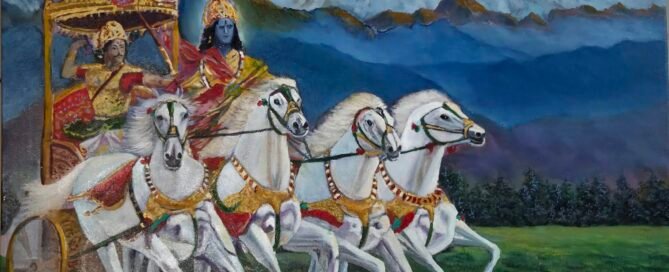
Every painting has an ugly phase — a point where the colours feel wrong, the shapes are clumsy, and every instinct says stop.

The ugly phase is not a sign of failure. It is a sign you are doing the work. Not just paintings, every new beginning has an ugly phase that should not be skipped.

As I worked on this painting, I was reminded of that truth again and again. For most of the process, the strokes were unsure, the colours felt off, the shapes were clumsy. Every instinct screamed, “give up.”

The trick is to keep going and trust the process. At some stage, usually towards the end, ugly becomes less ugly.

Whether it is a business idea, a new role, learning a skill, or building a brand, progress is never a smooth gradient. It is smudges, corrections, and stubborn repetition.

If you are in the ugly phase right now, good news.
You are not failing.
You are simply doing the work that beautiful outcomes demand.

Keep going.
Ugly is inevitable. Ugly is necessary.

By |2026-05-24T06:17:32+00:0001/12/2025|While the paint was drying|0 Comments

Why Marketing Feels Like Chaos — and Why That’s Fine

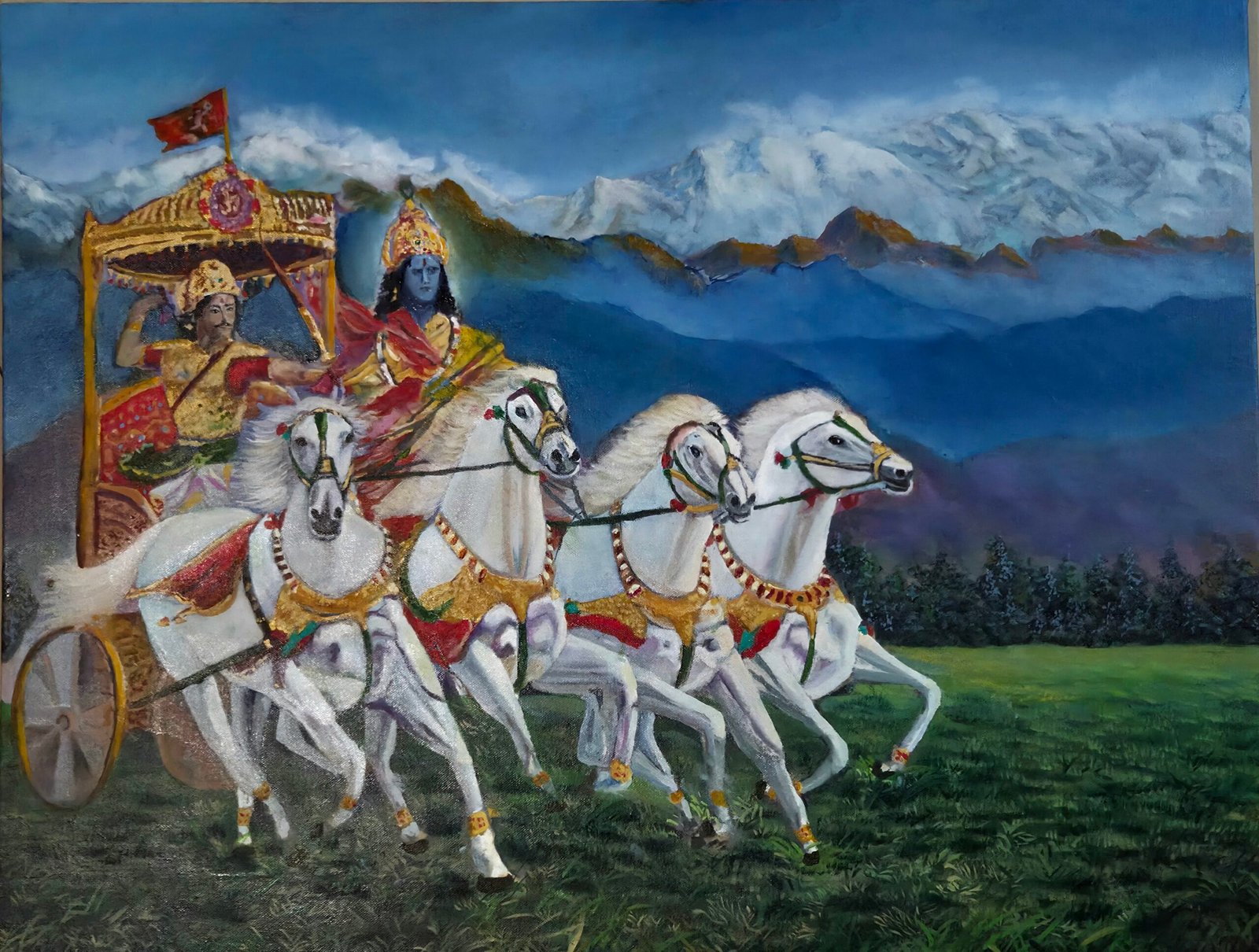
Vibrant painting of Hindu gods riding a chariot pulled by white horses against mountain scenery.

The marketing rhythm of chaos is not a problem to solve. It is a reality to navigate. Brand, content, digital, and demand — four forces pulling in different directions. The job is not to control them. It is to find the rhythm.

When you start seeing marketing lessons, in your own painting, it is probably time to take that vacation.

Yesterday, while I was dusting off this painting, that I did couple of years ago, I did not think of Mahabharat or the Kurukshetra war. I saw marketing.

The 4 horses reminded me of Brand, Content, Digital, and Demand.

All 4 horses dramatic in their own way. Each one with its own personality. Each convinced it is the real hero of the journey.

Brand, the proud one, walks in like a royalty.
Content, the expressive one, wants to talk non-stop
Digital, the hyper one, sprinting ahead without instructions.
Demand, the impatient one, asking if the destination is reached even before starting.

When priorities pull in different directions the chariot rattles, but rein the horses in too much and everything stalls.

The four do not need the same strength or the same speed, they just need the same rhythm. The real art of marketing is knowing which horse to bet on, and when, because marketing moves best when each one pulls just enough to keep the chariot moving forward.

So if you are wondering which horse to bet on, and feel tempted to toss the coin for marketing decisions, trust me, that instinct is usually right.

PS: Krishna lovers, please forgive me for messing up His face. I am sure He will fix it himself with an avatar update soon.

By |2026-03-25T01:38:59+00:0001/12/2025|While the paint was drying|0 Comments

What If We Painted Life Like We Paint on Canvas

What if we painted life on canvas the same way we actually live it. Not in straight lines, not with a clear plan, but with pauses, second guesses, and stubborn hope that it will come together in the end?

I have been painting this piece for the past two weeks, not because I had free time, but because life felt hectic.

A bit overwhelming even.

In the middle of all the chaos, something strange happened.

As the landscape emerged from a blank canvas, the stillness in the scene began to speak.

And through that silence, I heard three reminders.

1. “What if” is more important than “What next.”

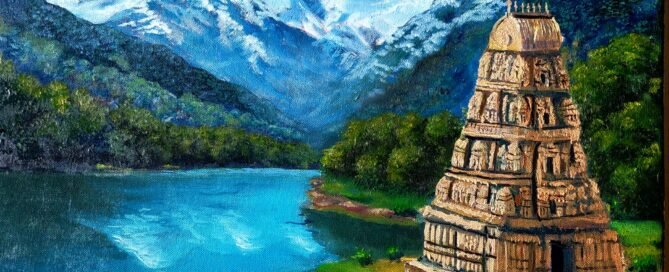
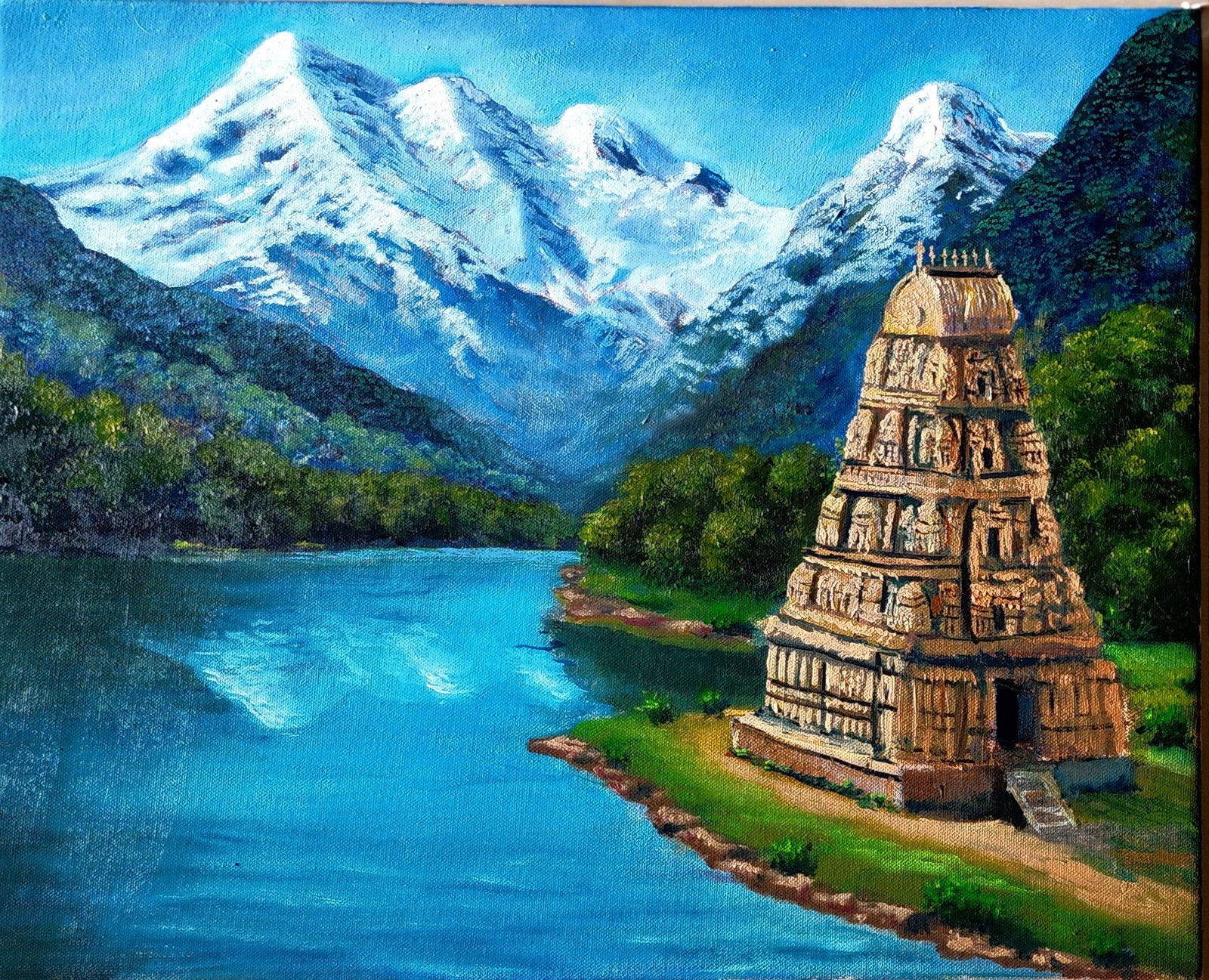
What if Rajendra Chola built a temple by the Ganges with silent mountains standing guard?

I will never know if he contemplated this idea, but I am glad I asked that ‘what if’.

The rustic looking temple may look out of place in this landscape but then it is my world.

When stress peaks, it’s “what if” that rewires our thinking and keeps us going.

2. Stillness can be faster than hustle.

Rivers don’t rush, yet they shape landscapes.

Mountains don’t move, but everything around them does.

Progress is not always loud. Sometimes, it flows quietly without a to-do list.

3. The way to move a mountain is one rock at a time.

This painting reminded me about the power of that first step. The next one. And the one after…

One brushstroke at a time.

One section, one breath, one shift in attention.

Before you know it, you have built a world. Your world.

Sometimes, when life gets overwhelming, it’s not a sign to speed up.

It is an invitation to pause. (Or paint)

Or simply let the Stillness lead.

Ancient temple by a river with snow-covered mountains in the background, inspired by artistic imagin.

By |2026-05-24T06:09:37+00:0011/08/2025|While the paint was drying|0 Comments
Go to Top